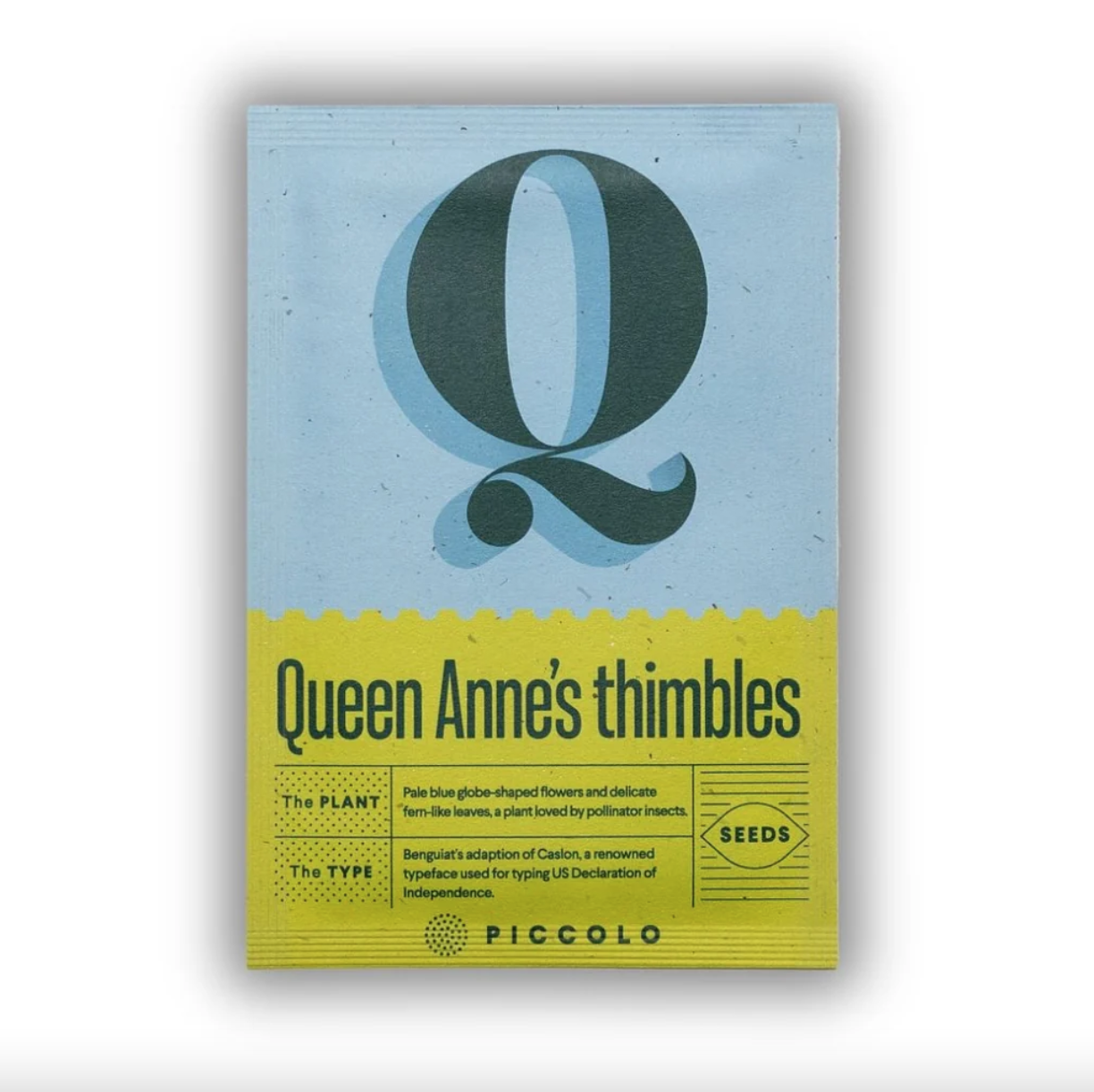
Botanical Alphabet / Q - QUEEN ANNE'S THIMBLES
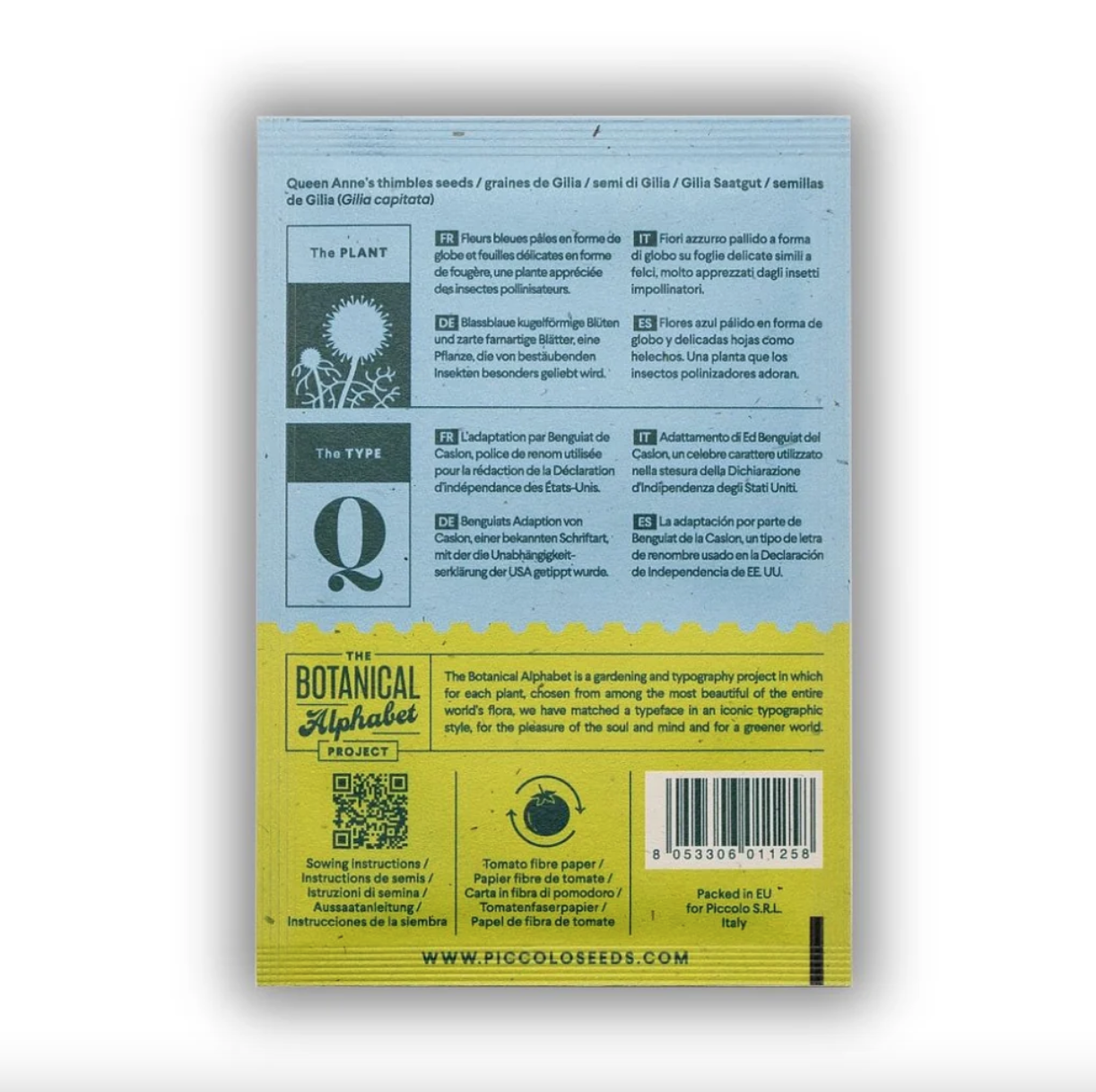
Botanical Alphabet / Q - QUEEN ANNE'S THIMBLES
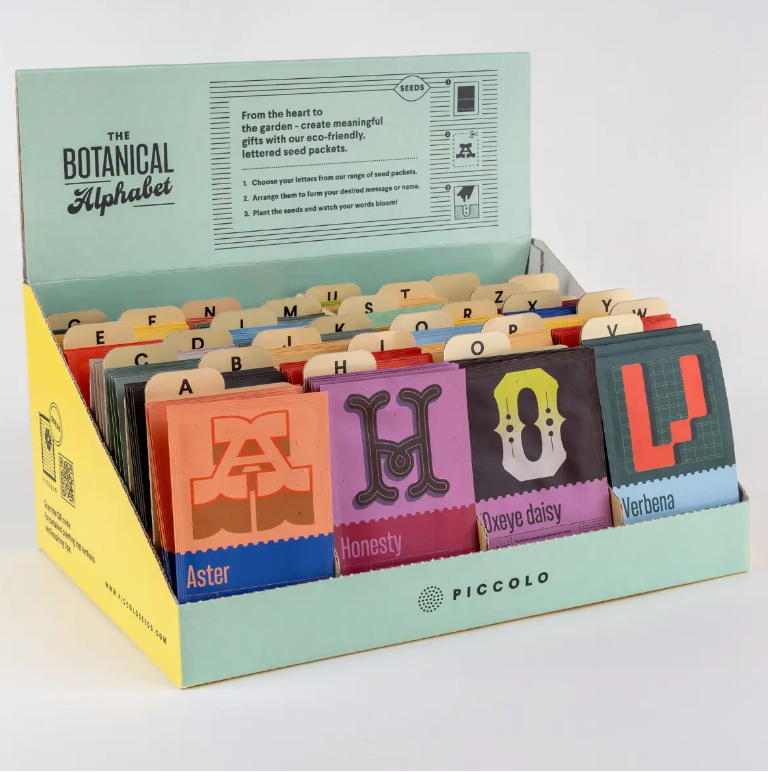
The Botanical Alphabet is a gardening and
typography project in which for each plant,
chosen from among the most beautiful
of the entire world's flora,
we have matched a typeface in an iconic
typographic style, for the pleasure of the soul
and mind and for a greener world.
A brand-new way to combine the joy of gardening
with the art of personal expression.
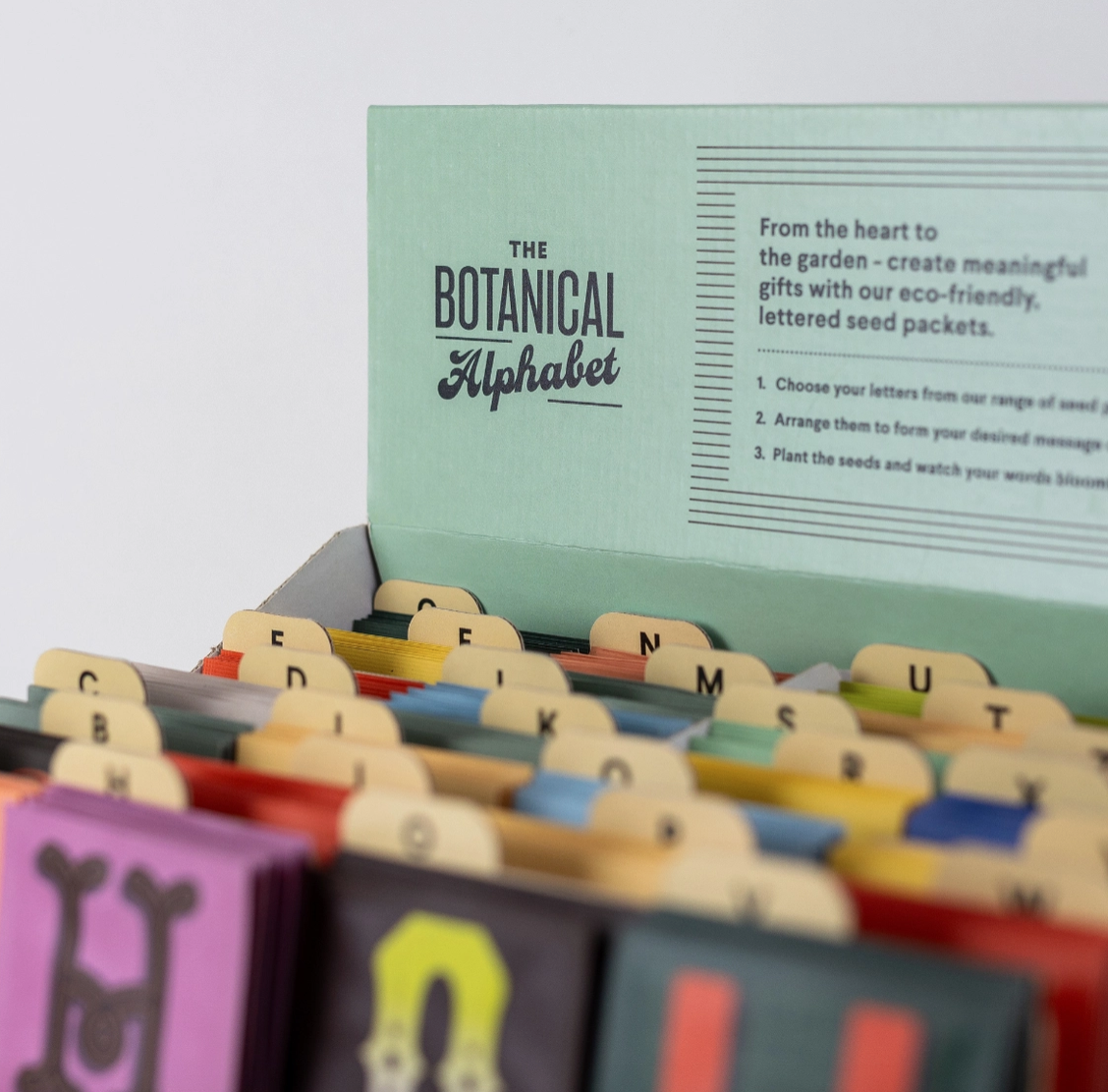
Spell out names, words, or special messages
with the eco-friendly seed packets,
each representing a letter of the alphabet.
Q - QUEEN ANNE'S THIMBLES
THE PLANT
Pale blue globe-shaped flowers and delicate fern-like
leaves, a plant loved by pollinator insects.
THE TYPE
Benguiat's adaption of Caslon, a renowned typeface
used for typing US Declaration of Independence.
Details:
Name: Queen Anne’s thimbles
Variety: CGilia capitata
Latin name: Papaver rhoeas
Seed quantity: 0,25 grams
Packet size: 9 x12,5 cm
Packet material: Made from paper produced
using tomato waste fibers, it can be disposed
of in biodegradable waste
Plant size: 30-60 cm height, 15-30 cm spread
Container size: Minimum 20 cm diameter
HOW TO GROW
SOWING
Outdoor Early spring or autumn
Indoor 6-8 weeks before last frost
GERMINATION
Time 14-21 days
Temperature 15-20°C
HOW TO SOW
Direct sow Sow seeds on soil surface; press lightly
Indoor Surface-sow in trays with light exposure
CARING
Light Full sun
Watering Moderate; allow soil to dry slightly
between waterings
Soil Well-drained, sandy or loamy soil
Feeding Light feeding in spring is sufficient
GROWING TIP
Queen Anne’s Thimbles attract bees and butterflies,
making them great for pollinator gardens.
Deadhead regularly to extend blooming.
HARVESTING
Cut flowers when fully open.
Seed heads can be left on the plant
for self-seeding or harvested for propagation.
INTERESTING FACTS
Fun fact 1
Named for its resemblance to a thimble,
Gilia capitata is popular in wildflower mixes
for its delicate blue flowers.
Fun fact 2
This plant is native to North America and is often
used to attract pollinators to gardens.