Botanical Alphabet / L - LUPIN
Botanical Alphabet / L - LUPIN
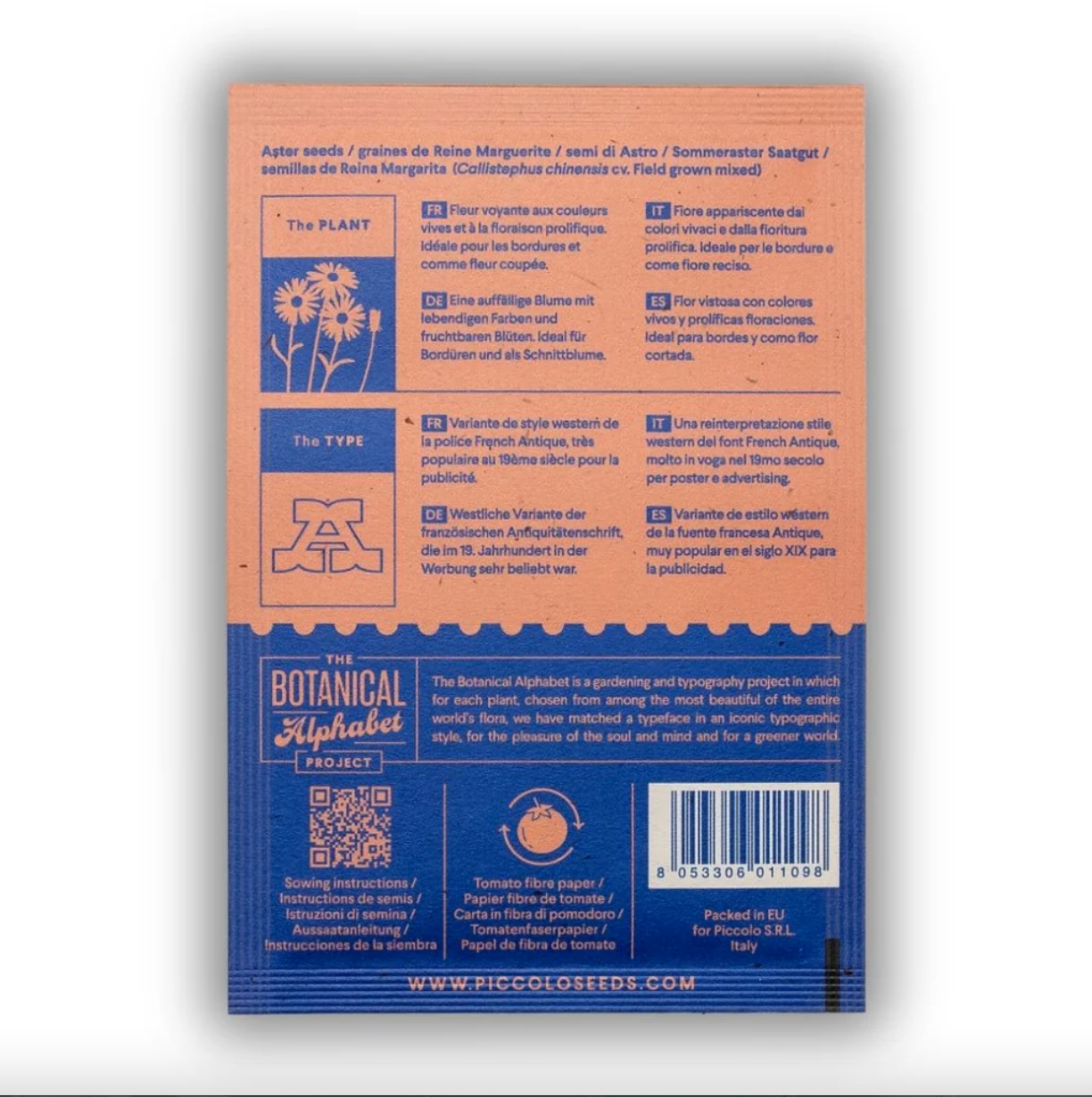
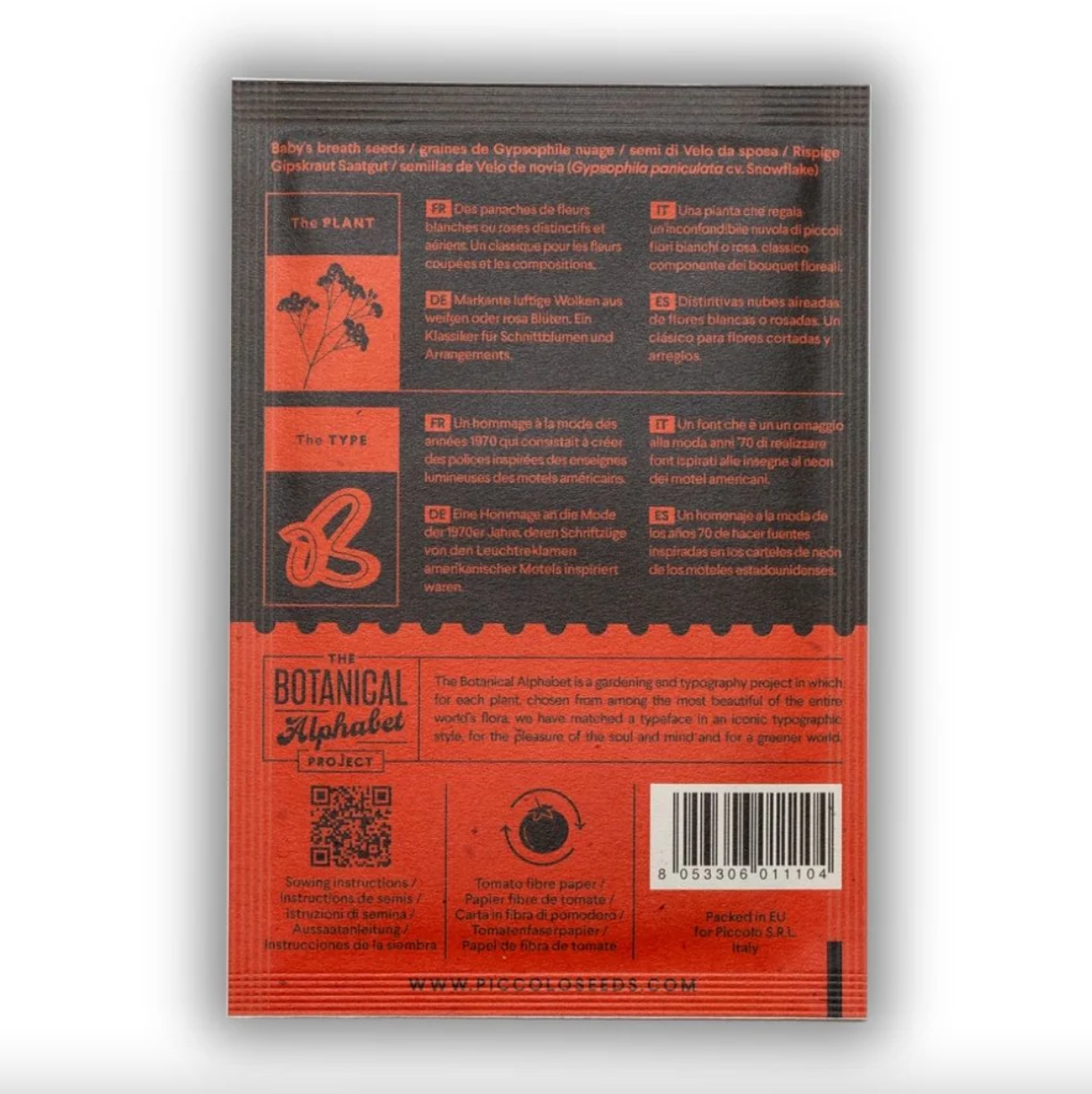
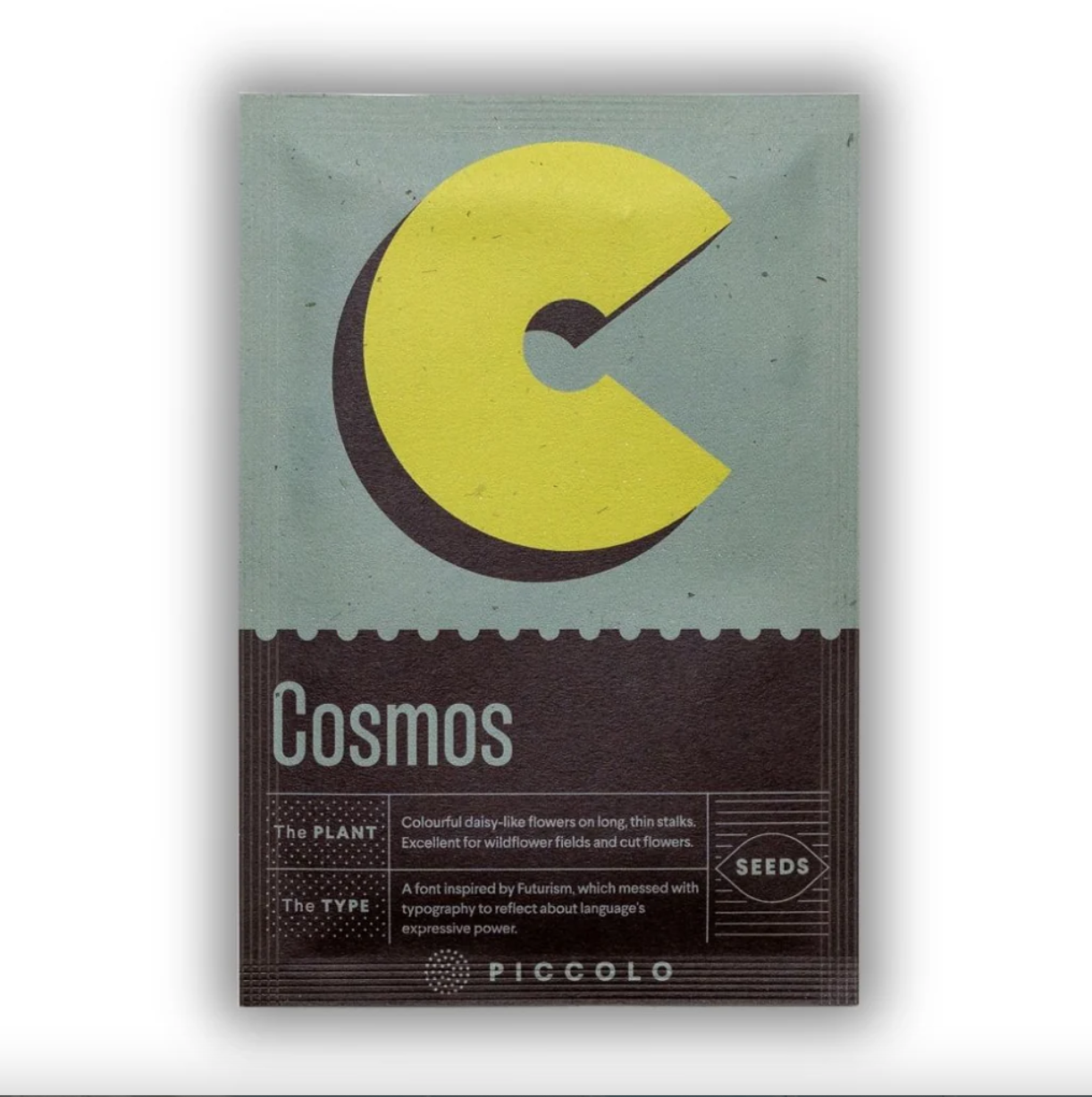
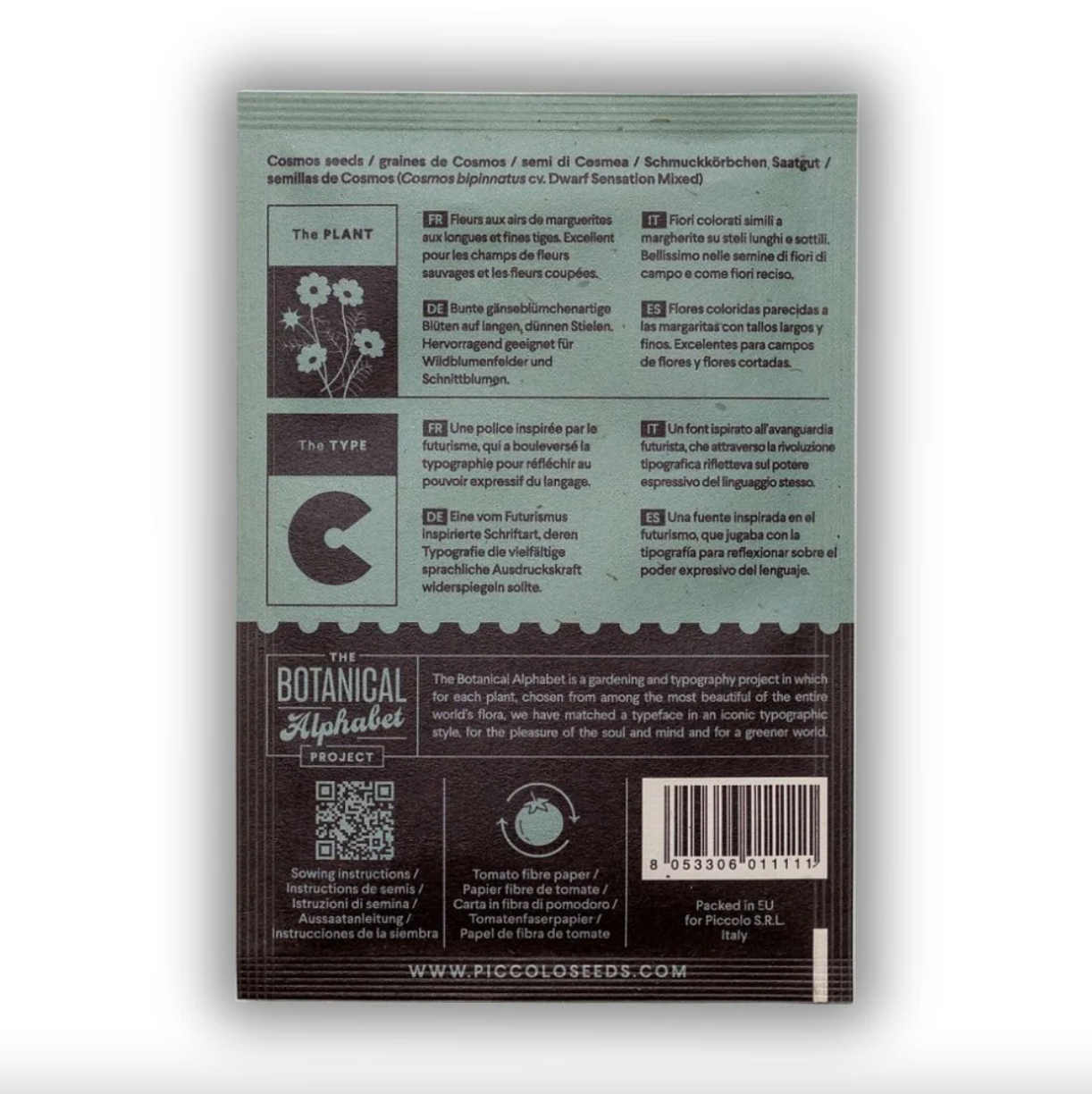
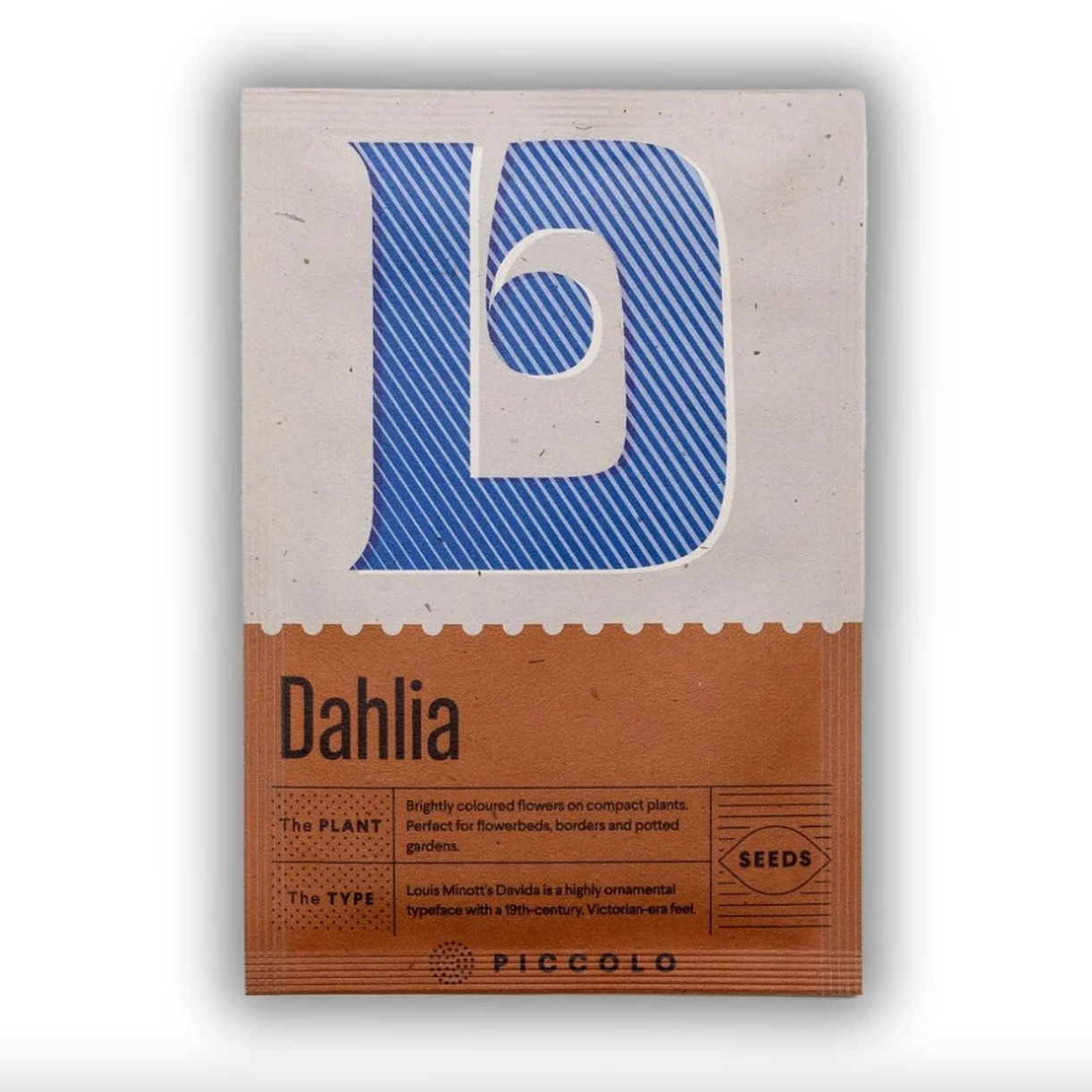
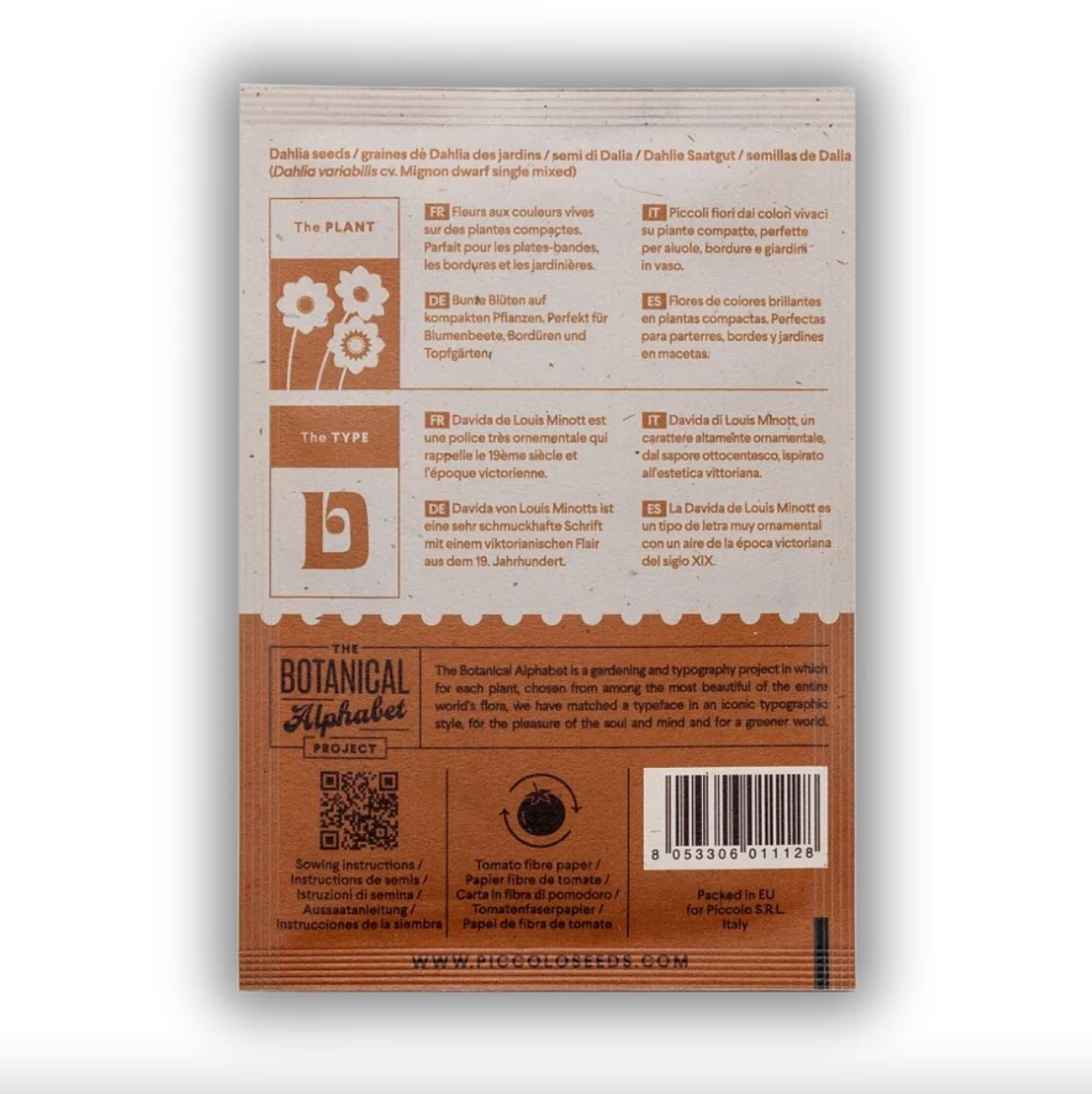
The Botanical Alphabet is a gardening and
typography project in which for each plant,
chosen from among the most beautiful
of the entire world's flora,
we have matched a typeface in an iconic
typographic style, for the pleasure of the soul
and mind and for a greener world.
A brand-new way to combine the joy of gardening
with the art of personal expression.
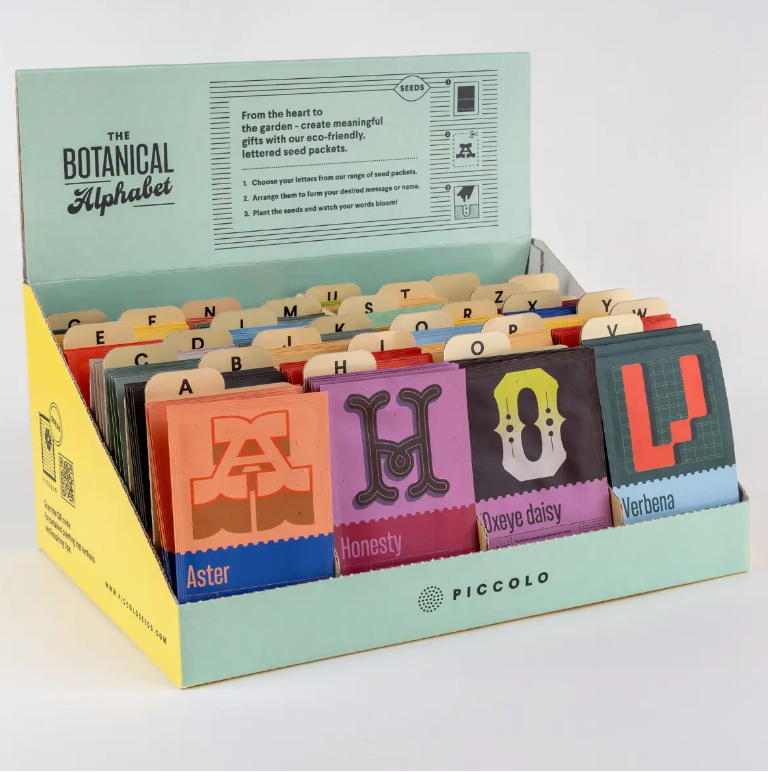
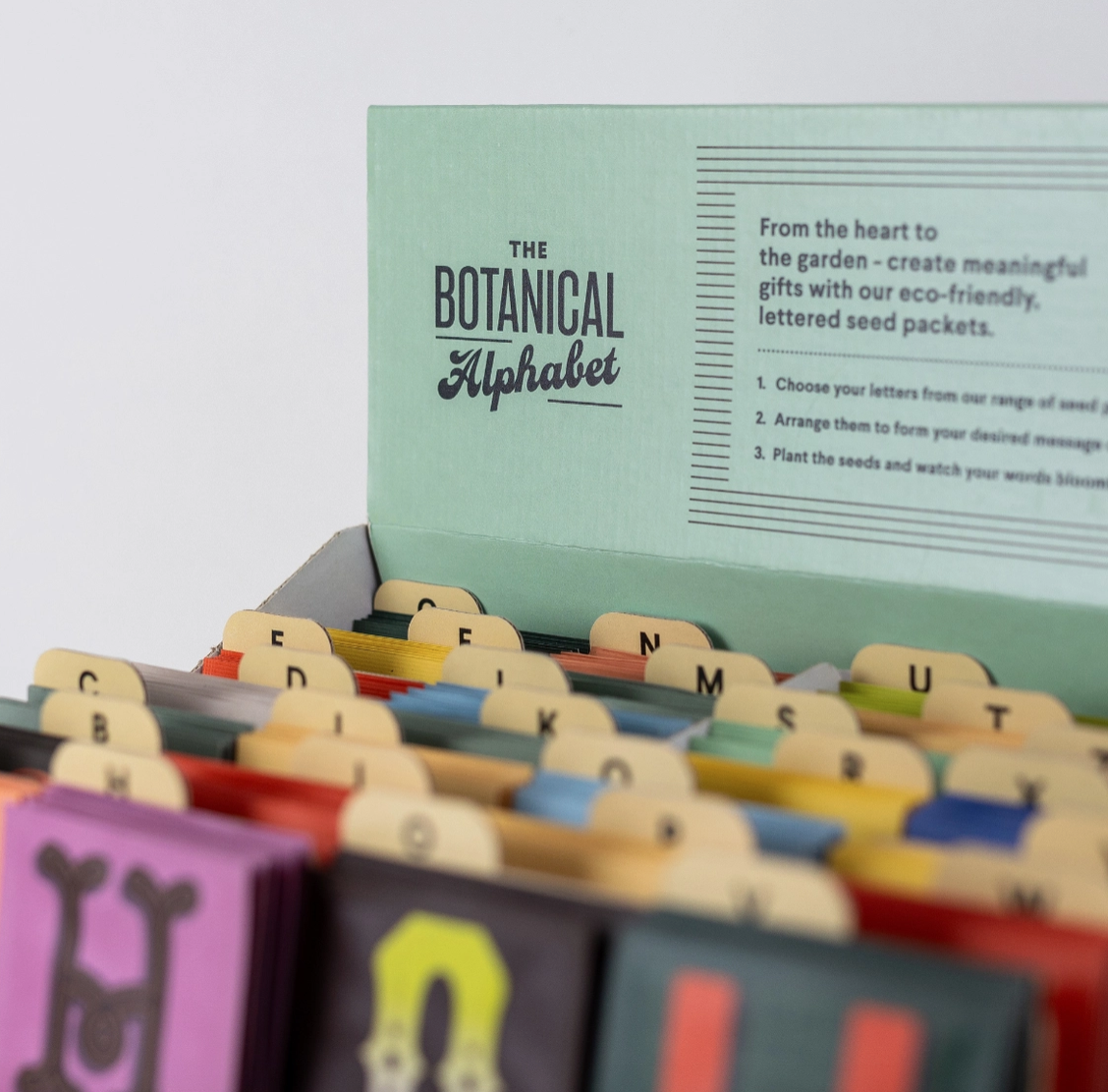
Spell out names, words, or special messages
with the eco-friendly seed packets,
each representing a letter of the alphabet.
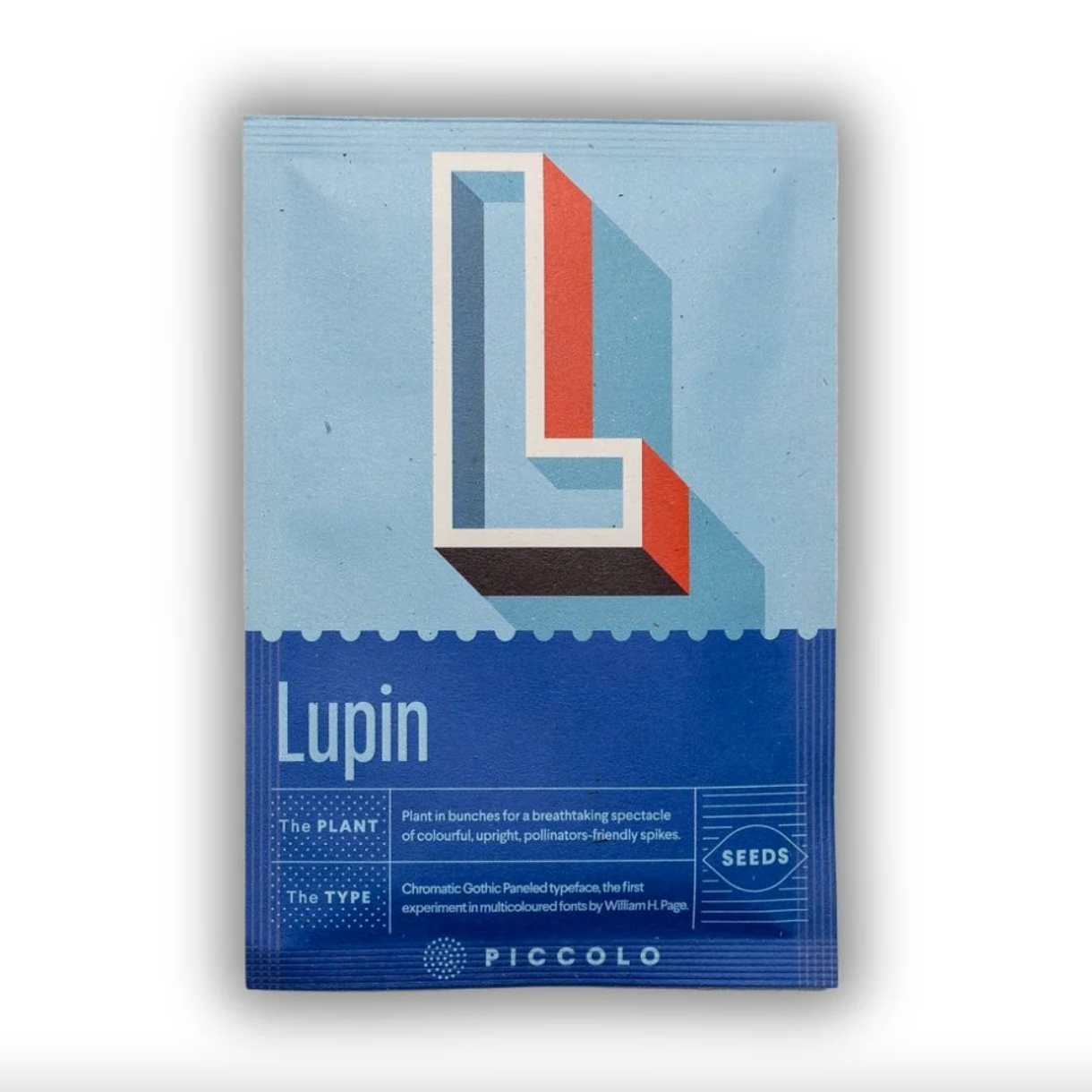
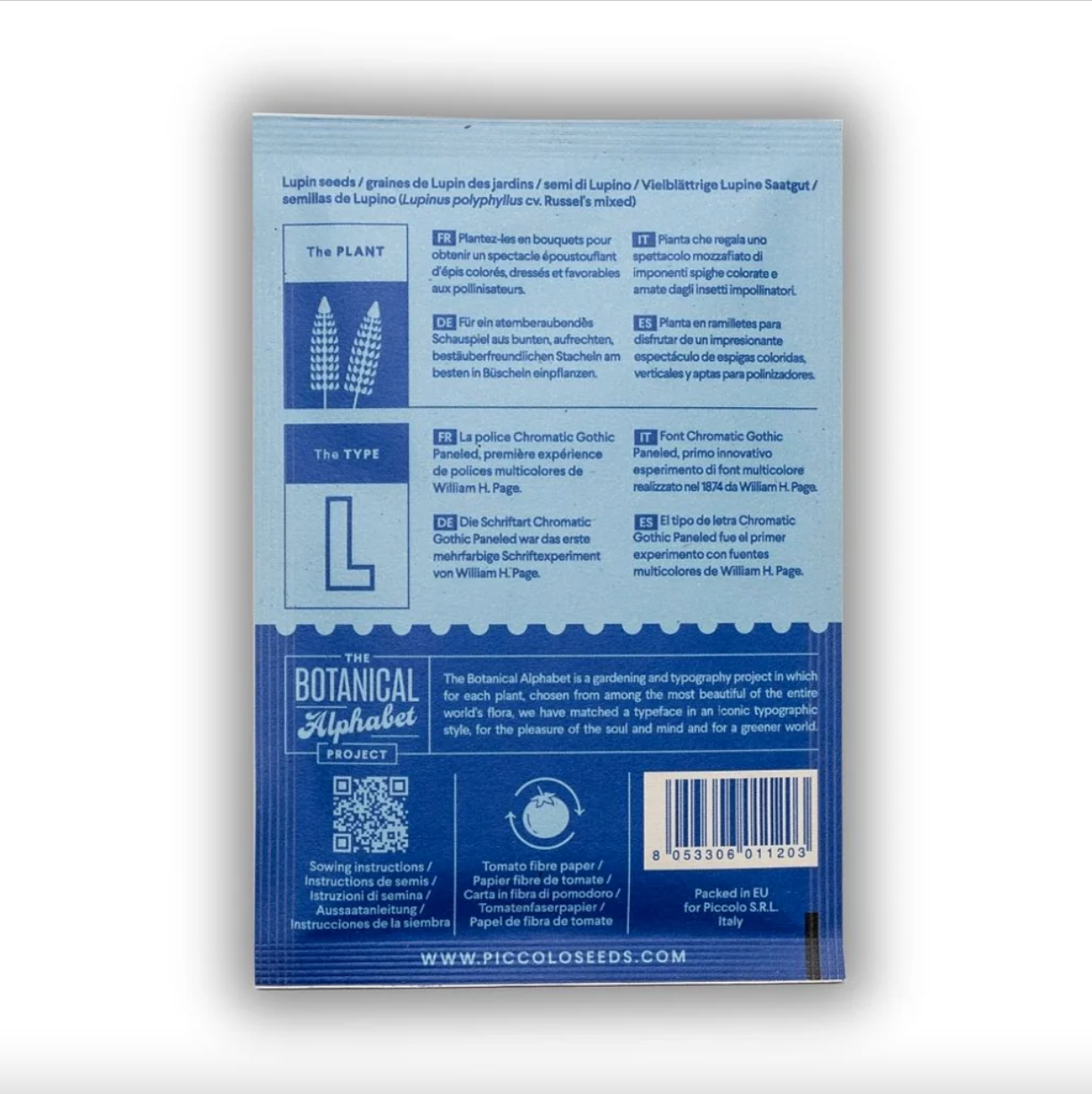
L - LUPIN
THE PLANT
Plant in bunches for a breathtaking spectacle of
colourful, upright, pollinators-friendly spikes.
THE TYPE
Chromatic Gothic Paneled typeface, the first
experiment in multicoloured fonts by William H. Page.
Details:
Name: Lupin
Variety: Russel's mixed
Latin name: Lupinus polyphyllus
Seed quantity: 1 grams
Packet size: 9 x12,5 cm
Packet material: Made from paper produced
using tomato waste fibers, it can be disposed
of in biodegradable waste
Plant size: 60-120 cm height, 30-60 cm spread
Container size: Minimum 30 cm diameter
HOW TO GROW
SOWING
Outdoor Early spring or autumn
Indoor 6-8 weeks before last frost
GERMINATION
Time 14-21 days
Temperature 15-20°C
HOW TO SOW
Direct sow Sow seeds 1 cm deep, cover with soil
Indoor Sow in pots; lightly cover with soil
CARING
Light Full sun
Watering Keep soil moist; avoid waterlogging
Soil Well-drained, sandy or loamy soil, slightly acidic
Feeding Fertilize sparingly; lupins improve soil nitrogen
GROWING TIP
Lupins grow well in poorer soils and don’t need
much fertilization. Deadhead after flowering
to encourage a second bloom.
HARVESTING
Harvest flowers when fully open.
Lupin seed pods can be collected
in autumn for propagation.
INTERESTING FACTS
Fun fact 1
Lupins are members of the legume family and
can improve soil fertility by fixing nitrogen.
Fun fact 2
Known for their tall, spiky flower clusters,
lupins add a vertical element and vivid
color to garden borders.